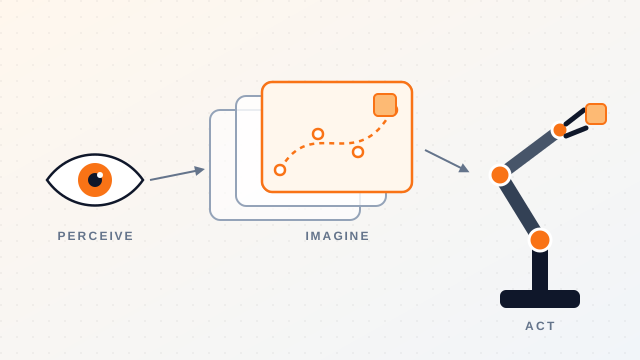
OPAL Lab & Robot Foundation Models
Current workBuilding robot foundation models at Luma’s Open Science Physical AI Lab (OPAL), which researches methods for generalization in physical AI.
I am a Research Scientist at Luma AI, where I currently focus on robot foundation models. Before this, I was a Principal Applied Scientist at Amazon AGI, where I was tech-lead for multimodal pre-training of the Amazon Nova foundation models.
Prior to Amazon, I was a Principal Computer Vision Researcher at Magic Leap. I finished my Ph.D. from the School of Interactive Computing at Georgia Institute of Technology. I was advised by Professor Henrik I. Christensen and Professor Frank Dellaert. I completed my Bachelors and Masters in Computer Science from IIIT Hyderabad where I was advised by Prof. P J Narayanan.
Building robot foundation models at Luma’s Open Science Physical AI Lab (OPAL), which researches methods for generalization in physical AI.
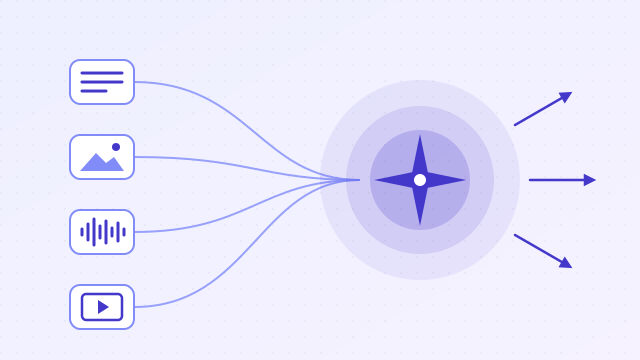
Tech-lead for multimodal pre-training of Amazon’s foundation models. Designed the multimodal architecture and pre-training data mix for Nova 2.0 Lite, built the unified architecture behind Nova 2.0 Omni’s native image generation, and developed the image/video pre-training recipes for Nova Pro, Lite and Micro.
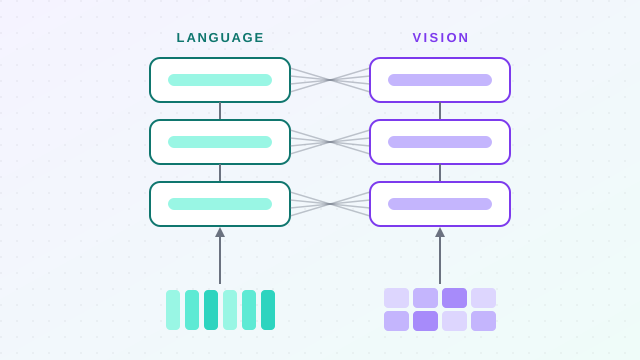
Transferring LLM knowledge to image generation with Mixture-of-Transformers, grounding vision-language models to curb hallucination, and retrieval-augmented multimodal learning.
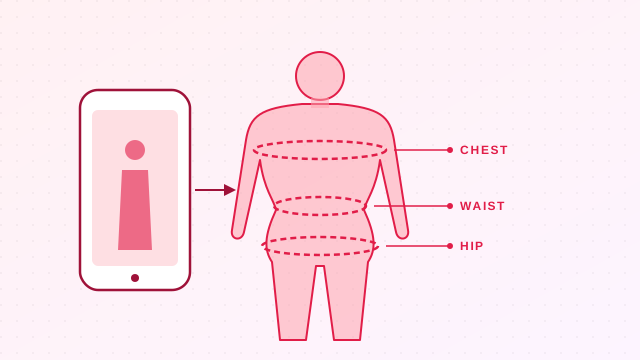
Body measurements and waist-to-hip ratio from a phone camera, animatable 3D avatars from monocular video, and real-time fitness understanding.
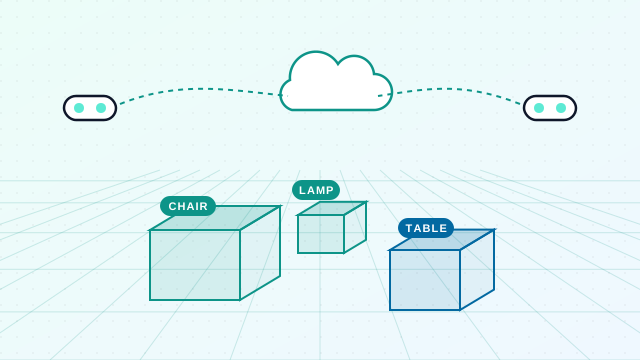
Multiuser, scalable 3D object detection in the AR cloud using distributed data association and fusion, so many headsets share one semantic map.
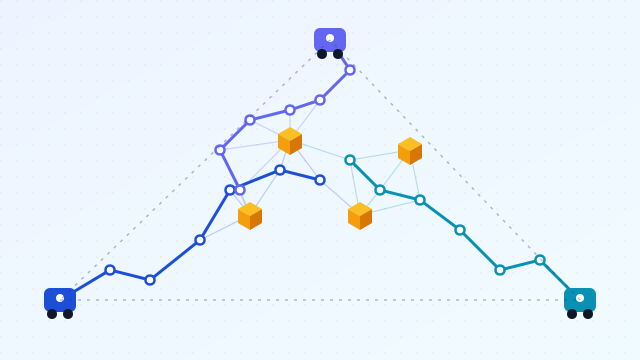
Multi-robot mapping under privacy and bandwidth limits: distributed pose-graph optimization with 3D objects as shared landmarks. Try it today in Hivemap, an interactive demo where up to 10 robots share one object map to finish tasks.
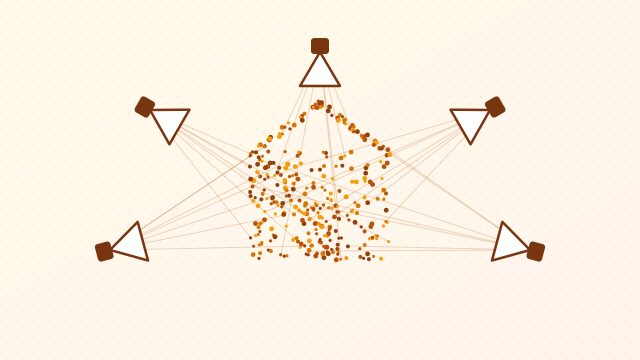
Visibility probabilities between points and cameras in SfM datasets for faster, more accurate localization and triangulation.
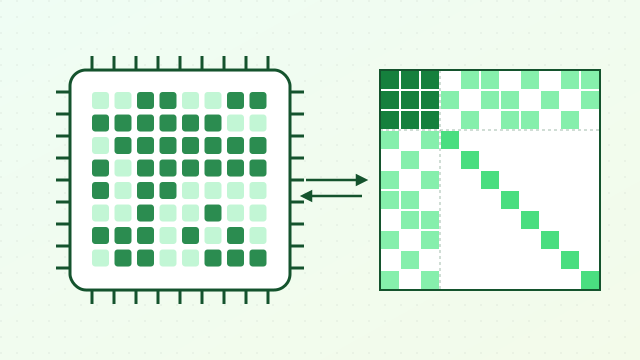
Hybrid CPU–GPU sparse bundle adjustment in CUDA for practical-time 3D reconstruction.
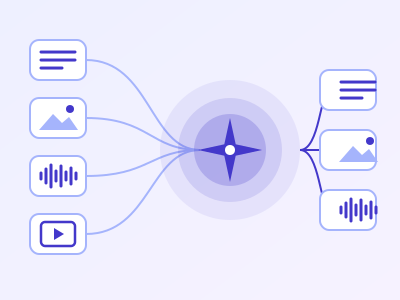
Tech-lead for Nova 2.0 Lite: Core-team member focused on designing MM architecture and finalized pretraining data mix and recipe integrating vision, speech and language understanding at scale. Achieves state-of-the-art performance on 13 out of 15 benchmarks vs Claude Haiku 4.5.
Nova 2.0 Omni pre-training: I developed unified multimodal architecture integrating native image generation with text, vision, and speech understanding. Designed pre-training recipe that enable generative capabilities while preserving performance across all input modalities. Checkout the models at nova.amazon.com/chat.
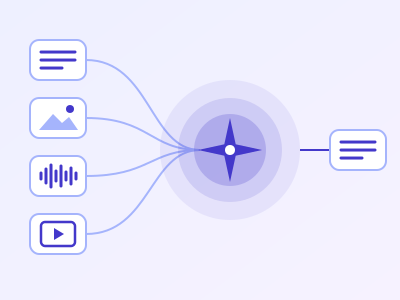
Tech-lead on multimodal pre-training team responsible for developing image/video pretraining recipes for Amazon Nova foundation models. Achieved state-of-the-art performance on multimodal understanding benchmarks against Claude 3 Haiku and Gemini 1.5 Pro. The family includes Nova Pro, Nova Lite, Nova Micro, Nova Canvas, and Nova Reel.
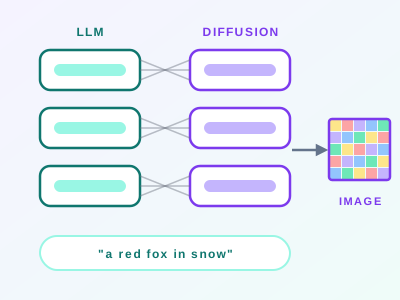
Mural integrates frozen large language models with diffusion-based image generators through shared attention (Mixture-of-Transformers), transferring LLM knowledge using only standard text-image pairs. It reaches 0.85 on GenEval, 86.75 on DPG-Bench, and 0.66 on WISE with inference-time reasoning, and exhibits emergent capabilities absent from training data such as cross-lingual generation, color-guided composition, and world-knowledge-directed synthesis.
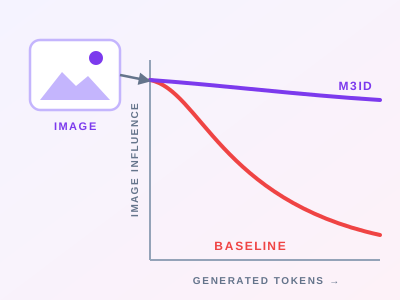
We address hallucination in Generative Vision-Language Models by introducing Multi-Modal Mutual-Information Decoding (M3ID), which amplifies the influence of reference images, reducing hallucinated responses by up to 28% without compromising linguistic fluency.
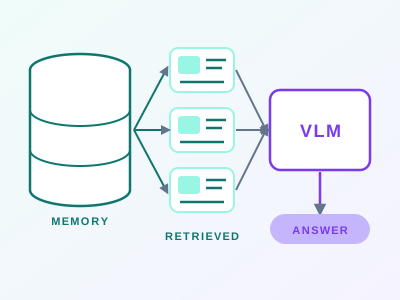
RAVEN is a multi-task retrieval-augmented vision-language model framework that improves performance on various tasks through efficient fine-tuning without requiring additional parameters.
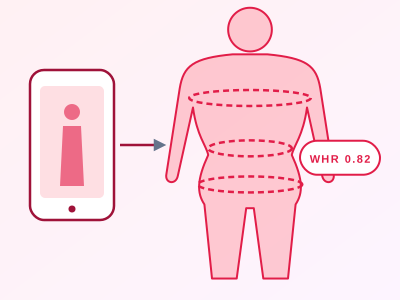
Propose a CNN based model called MeasureNet for accurately and reliably predicting body measurements and waist-hip ratio. Model is trained using realistic synthetic dataset.
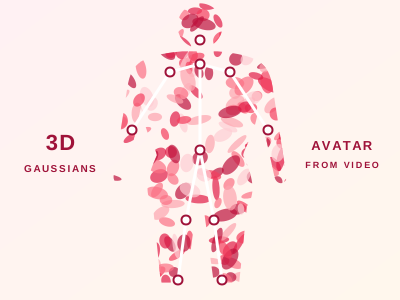
A fully articulated Gaussian splatting model for human avatars. Our model includes both rigid and non-rigid skinning components, and a Neural Color Field for implicit color regularization.
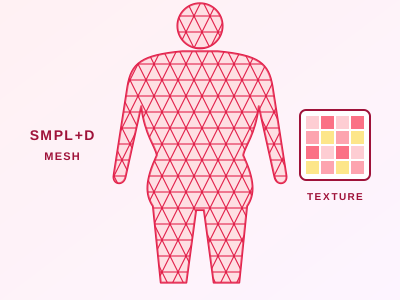
Optimizing a SMPL+D mesh and an efficient, multi-resolution texture representation for novel view synthesis and pose synthesis.
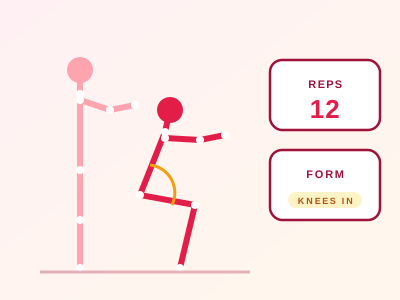
A two-stage transformer-based system analyzes real-time fitness videos using pose sequences to detect exercise repetitions, classify movements, and identify form errors with severity levels.
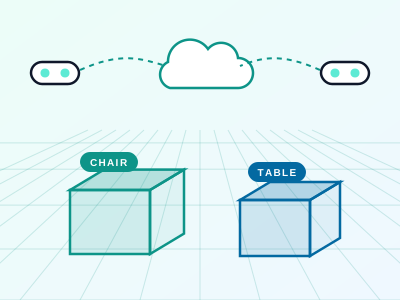
An approach for multiuser and scalable 3D object detection, based on distributed data association and fusion.
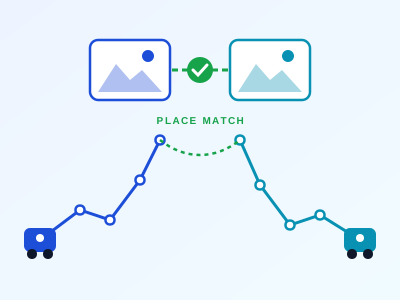
Decentralized visual SLAM combining distributed PGO using Gauss-Seidel and efficient, distributed place recognition using NetVLAD features.
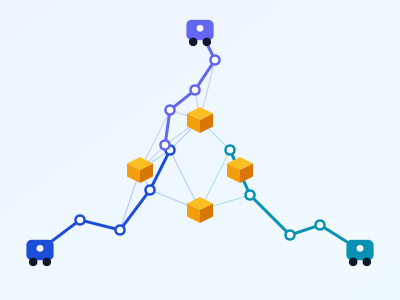
Decentralized object based SLAM combining distributed PGO with joint modeling and mapping of object landmarks.
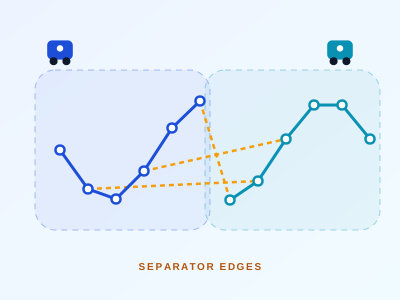
Propose a distributed implementation of the two-stage pose graph optimization, using Successive Over-Relaxation (SOR) and the Jacobi Over-Relaxation (JOR) as workhorses to split the computation among the robots. Extends it to work with object-based map models.
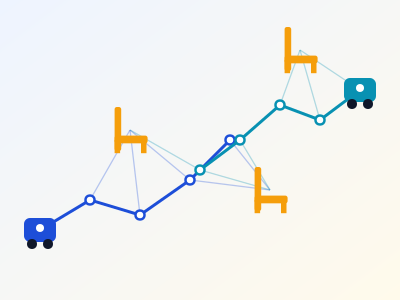
Multi robot SLAM approach that uses 3D objects as landmarks for localization and mapping. Leverages local computation at each robot (e.g., object detection and object pose estimation) to reduce the communication burden.
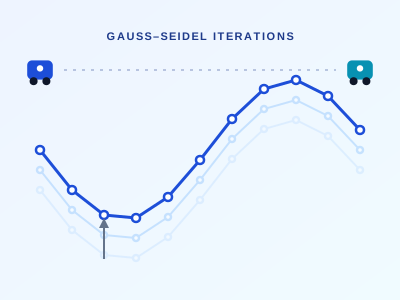
Leverages recent results which show that the maximum likelihood trajectory is well approximated by a sequence of two quadratic subproblems and solves it in a distributed manner, using the distributed Gauss-Seidel (DGS) algorithm.
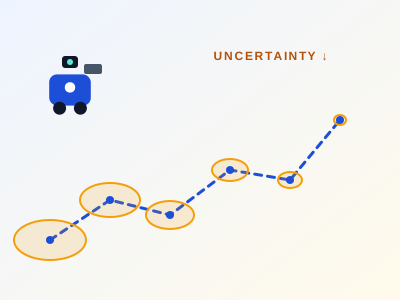
Plans a trajectory which actively reduces the uncertainty of the robot's calibration given a rough initial calibration estimate.
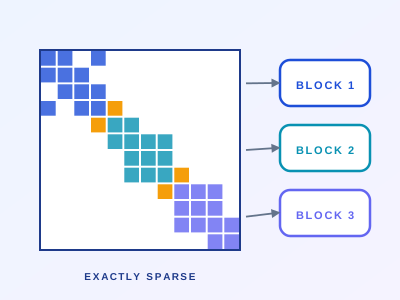
Scalable SLAM using multiblock Alternating Direction Method of Multipliers (ADMM).
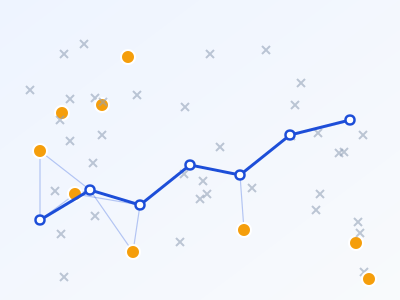
Information theoretic algorithm to efficiently reduce the number of landmarks and poses in a SLAM estimate without compromising the accuracy of the estimated trajectory.
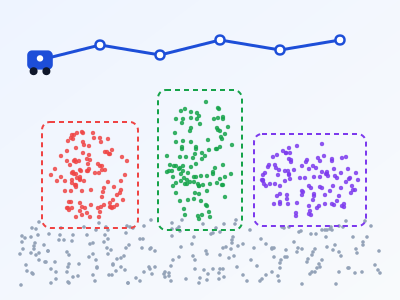
Propose an approach for online object discovery and object modeling, and extend a SLAM system to utilize these discovered and modeled objects as landmarks to help localize the robot in an online manner.
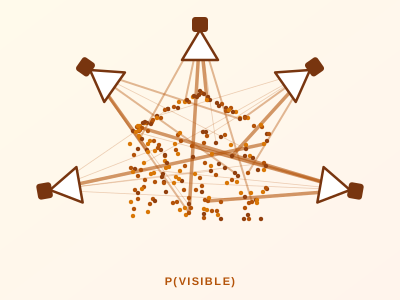
Encode the visibility information between and among points and cameras as visibility probabilities for improved localization and triangulation.
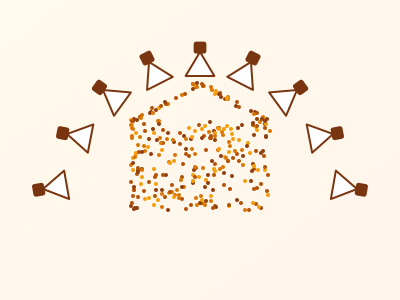
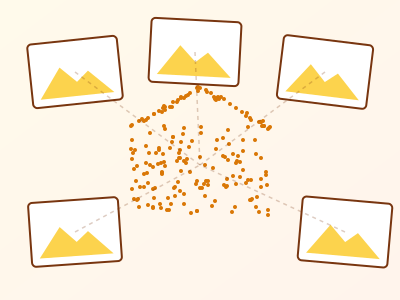
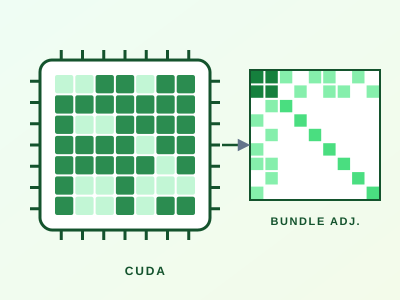
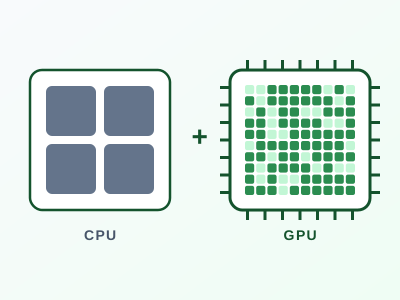
Hybrid implementation of sparse bundle adjustment on the GPU using CUDA, with the CPU working in parallel.
 2026
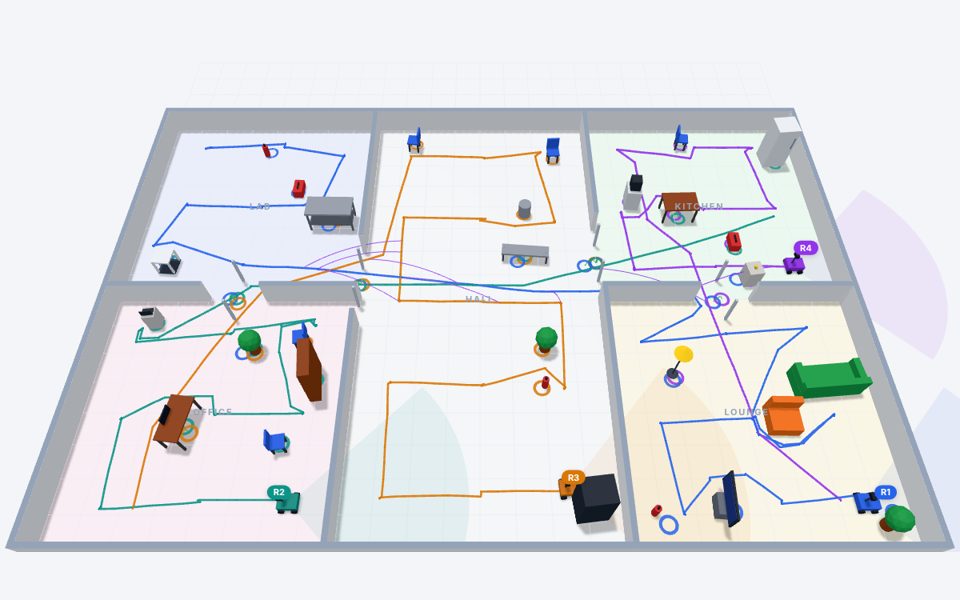
Hivemap
Does a shared map help robots get things done? Up to 10 robots build object maps, merge them with distributed object SLAM, and each runs a free in-browser LLM agent that picks its own tools. Compare tasks with and without sharing.
 2026
Ora
AI tutor that turns any topic into a full course in minutes: audio lectures you can interrupt with questions, a voice mock interviewer that drills your weak spots, teach-back with spoken feedback, and spaced-repetition practice.
 2026
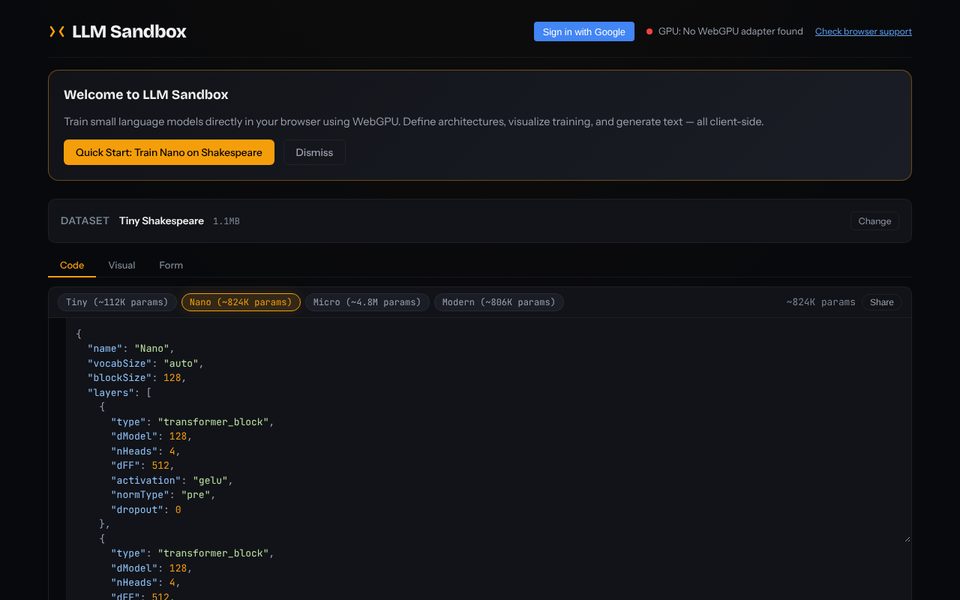
LLM Sandbox
Train small language models directly in your browser with WebGPU. Define architectures in code or visually, pick a dataset and learning-rate schedule, watch training, save checkpoints and generate text, all client-side.
 2026
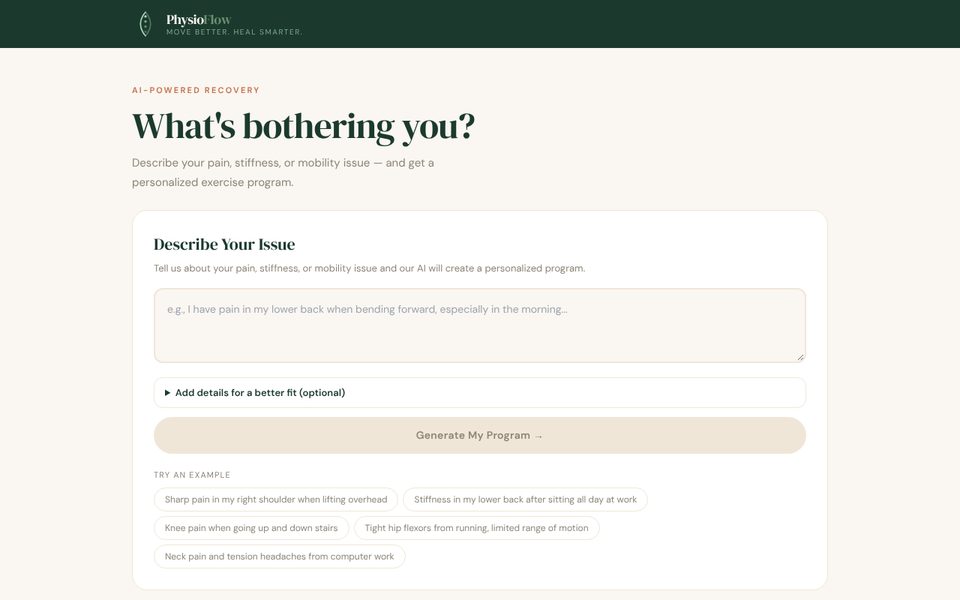
PhysioFlow
Describe your pain, stiffness or mobility issue and get a free, personalized stretching, strengthening and mobility program with step-by-step instructions, video demos and progress tracking.
 2026
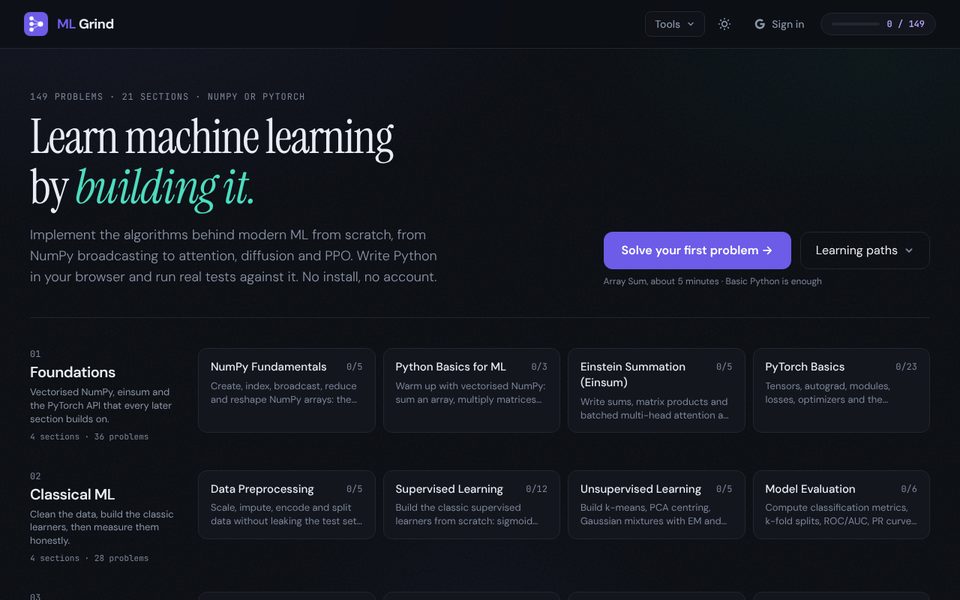
ML Grind
149 hands-on ML coding problems across 21 sections, from NumPy and backprop to transformers, diffusion and RL. Solve them in NumPy or PyTorch in the browser against real tests, with animated lectures.
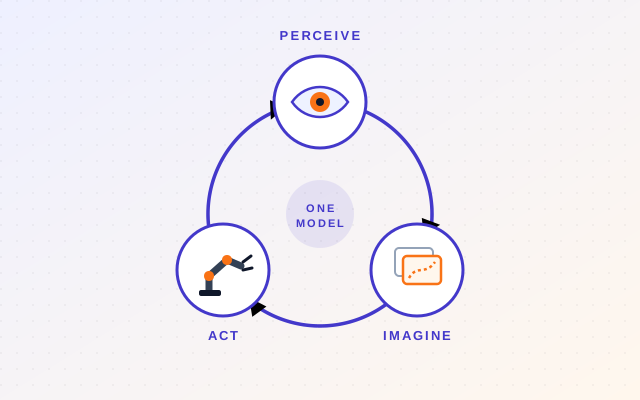 2026 The Multimodal Mind: Perceive → Imagine → Act A natively multimodal foundation model — the cognitive loop, a mixture-of-transformers backbone, and a staged pretraining recipe.
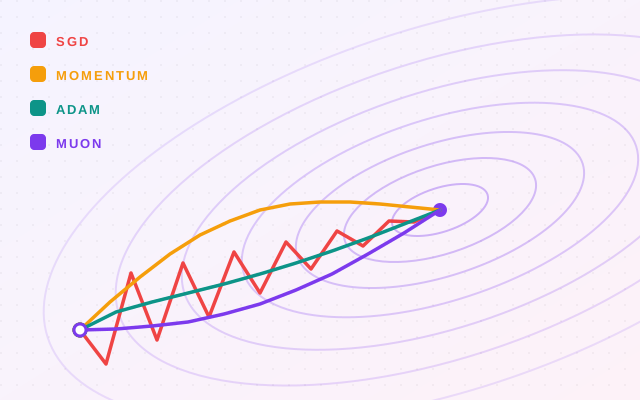 2026 A Genealogy of Optimizers A guided tour through neural-network optimizers with interactive widgets.
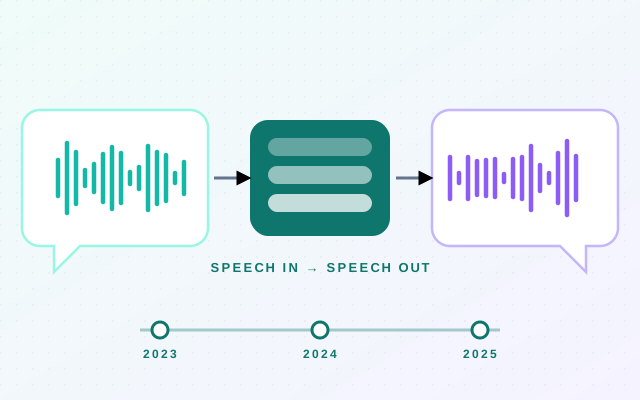 2026 Speech-to-Speech Models: A Literature Review Comprehensive review of end-to-end speech models from SpeechGPT (2023) to Qwen3-Omni (2025).
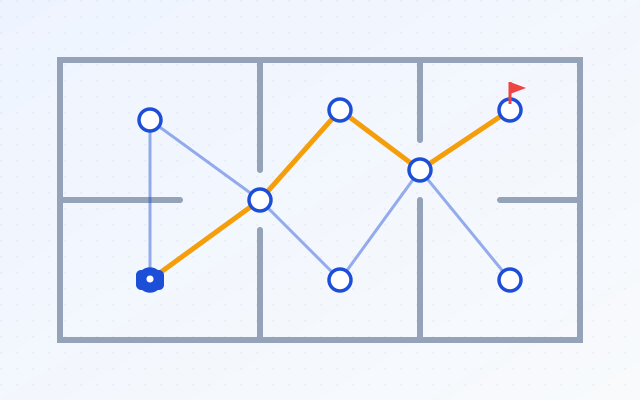 2019 Literature Review on Minimal Mapping for Navigation
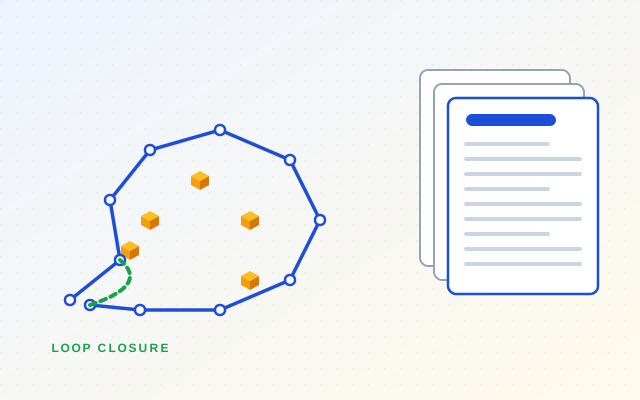 2019 SLAM Literature Review
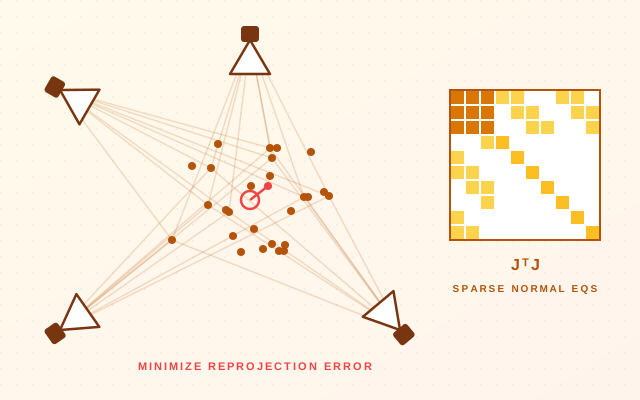 2019 Bundle Adjustment Tutorial